Where travel agents earn, learn and save!


News / Rising oil prices could drive up cruise fares in 2026
Rising oil prices threaten cruise fares as Carnival Corp faces $145M fuel cost risk. Royal Caribbean and Norwegian hedge fuel while Carnival stays market-rate
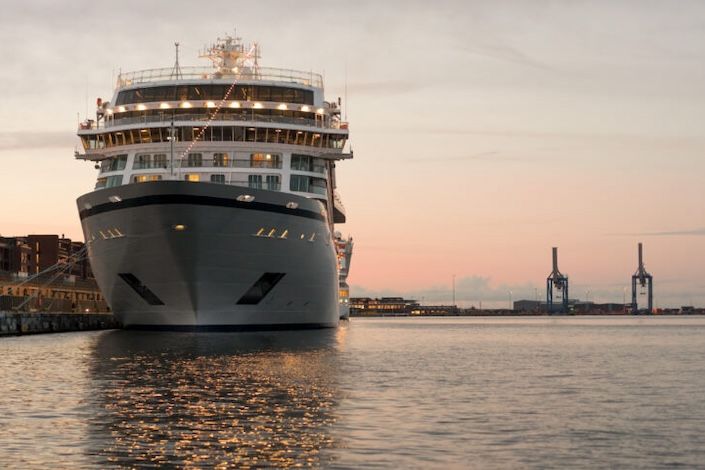
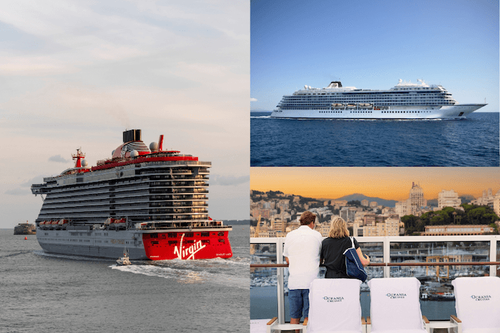
As oil prices climb amid Middle East tensions, the cruise industry faces mounting pressure that could translate directly into higher fares for travellers.
Similar to airlines already raising ticket prices due to fuel costs, cruise lines now confront the same economic challenge—with varying levels of vulnerability depending on their fuel purchasing strategies.
Fuel Hedging: Who's Protected and Who's Exposed
The world's major cruise operators have taken dramatically different approaches to managing fuel costs, leaving some more exposed to market volatility than others.
Royal Caribbean Group and Norwegian Cruise Line Holdings (NCLH) have both hedged approximately half their fuel costs for 2026, providing a buffer against price spikes. However, Carnival Corporation—the world's largest cruise company—operates without fuel hedging, opting instead to purchase fuel at current market rates.
This strategic difference leaves Carnival Corp., whose portfolio includes Carnival, Costa, Cunard, Holland America, Seabourn, and Princess, significantly more vulnerable to escalating fuel costs driven by geopolitical instability in the Middle East.
The Financial Impact
According to Reuters analysis, even a modest 10% increase in fuel cost per metric ton could reduce Carnival Corp.'s 2026 net income by approximately $145 million. The company is scheduled to release its Q1 results on March 20, amid investor concern reflected in a 7% stock price decline last week.
What This Means for Cruise Travellers
Rising operational costs for cruise lines typically don't stay absorbed for long—they're passed along to consumers through various channels:
Direct Fare Increases
Caribbean News Digital reports that fuel surcharges could dampen the final weeks of Wave Season, traditionally the industry's peak booking period when cruise lines offer their best promotions.
Higher Onboard Revenue
Beyond base fares, cruise lines may increase prices for revenue-generating extras including:
- Specialty dining venues
- Shore excursions
- Beverage packages
- Spa services and other amenities
Itinerary Modifications
To conserve fuel and control costs, cruise lines might implement operational changes such as:
- Selecting ports within shorter distances
- Reducing cruising speeds between destinations
- Adjusting routes to optimize fuel efficiency
Industry-Wide Implications
While Carnival faces the most immediate exposure due to its non-hedging strategy, the entire cruise industry operates on thin margins where fuel represents a substantial portion of operating costs. Even lines with partial hedging protection will eventually face renewed cost pressures when existing hedge contracts expire and must be renegotiated at higher rates.
For travel agents and travellers alike, the message is clear: the combination of geopolitical tensions and rising oil prices could reshape cruise pricing and itineraries throughout 2026 and beyond. Those booking cruises may want to secure rates sooner rather than later, before potential fuel surcharges and fare increases take effect.