Where travel agents earn, learn and save!


Travel & Selling Tips / Rare animals in Mexico: Wildlife to discover on vacation
Beyond its resorts and coastlines, Mexico is also home to some of the most fascinating animals in the world

Rare animals in Mexico include the vaquita, axolotl, jaguar, whale shark, sea turtle, scarlet macaw, Mexican wolf, spider monkey, and Mexican prairie dog. Some live in remote forests, deserts, or mountain habitats, while others can be found near popular vacation destinations such as Cancun, Riviera Maya, Isla Mujeres, Holbox, and Playa del Carmen.
Mexico is full of unforgettable vacation moments. You can swim in turquoise Caribbean waters, explore ancient ruins, wander through jungle trails, relax on soft beaches, and discover wildlife that makes every trip feel even more special.
Beyond its resorts and coastlines, Mexico is also home to some of the most fascinating animals in the world. From sea turtles nesting on the beach to whale sharks swimming near the Mexican Caribbean, the country is filled with nature experiences that families, couples, and adventure lovers will remember long after they return home.
Some animals are easy to experience through responsible tours and nature parks. Others are extremely rare and live in protected habitats. Together, they show just how colorful, wild, and beautiful Mexico really is.
Why Mexico Is a Dream Destination for Nature Lovers
Mexico has an incredible mix of landscapes. In one country, you can find white-sand beaches, coral reefs, mangroves, cenotes, jungles, mountains, deserts, and peaceful lagoons.
That variety makes Mexico a wonderful home for wildlife. It also means your vacation can include much more than time by the pool. You can explore nature, learn about local ecosystems, and maybe even spot animals you have never seen before. If you are especially curious about local animals around Mexico’s resorts and jungle areas, Sandos also has a guide to wildlife in Mexico and the curious coati.
Here is where to look for some of the rare animals in this guide:
- Caribbean waters: Whale shark, sea turtle, manatee. Where to experience it: Isla Mujeres, Holbox, Cancun, and Riviera Maya.
- Tropical jungle: Jaguar, spider monkey, scarlet macaw. Where to experience it: Yucatan Peninsula, Chiapas, and protected jungle reserves.
- Xochimilco canals: Axolotl. Where to experience it: Xochimilco, Mexico City.
- Northern grasslands: Mexican prairie dog. Where to experience it: Grassland regions of northern Mexico.
- Mountain forests: Mexican wolf. Where to experience it: Northern Mexico and protected recovery areas.
- Gulf of California: Vaquita. Where to experience it: Northern Gulf of California, though sightings are extremely rare.
For more wildlife inspiration, explore Sandos’ guide to animals you might see during a Sandos vacation.
Vaquita: Mexico’s Rare Marine Mammal
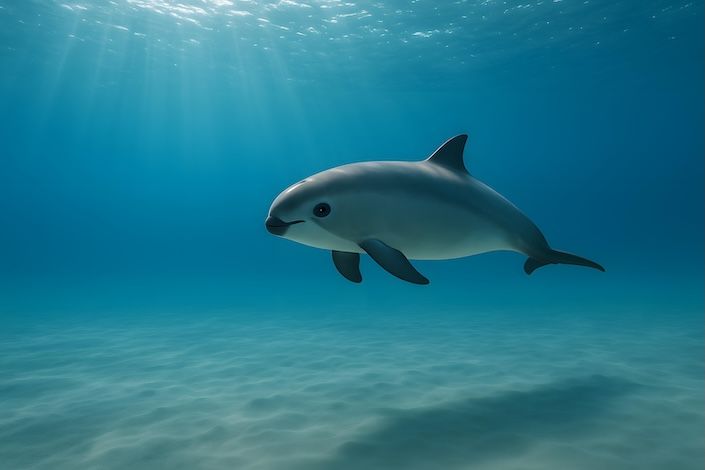
The vaquita is one of the rarest marine mammals in the world. This small porpoise lives only in the northern Gulf of California, making it one of Mexico’s most unique animals.
Travelers are very unlikely to see a vaquita in the wild, and it is not part of regular tourism experiences. Still, its story is important because it reminds us how much Mexico’s marine life needs protection.
- Where it lives: Northern Gulf of California
- Can travelers see it? No, sightings are extremely rare
- Why it matters: It is one of Mexico’s most important conservation symbols
Axolotl: Mexico’s Famous Freshwater Creature
The axolotl is one of Mexico’s most loved rare animals. With its feathery gills and almost smiling face, it has become famous around the world.
In the wild, axolotls live in the canals of Xochimilco in Mexico City. Many people know them from aquariums, but wild axolotls are much rarer and depend on clean, healthy freshwater habitats.
- Where it lives: Xochimilco, Mexico City
- Can travelers see it? Sometimes through responsible nature experiences
- Why it matters: It is an iconic species found naturally in Mexico
Jaguar: The Hidden Big Cat of the Jungle
The jaguar is one of the most powerful and mysterious animals in Mexico. It lives in forests and jungle regions, including parts of the Yucatan Peninsula.
Travelers staying in Cancun or Riviera Maya are close to jaguar habitat, but seeing one in the wild is very rare. Jaguars are shy, mostly active at night, and need large protected areas. Even if you never see one, knowing they live nearby adds a little extra magic to Mexico’s jungle landscapes.
For a deeper look at this incredible animal, read Sandos’ guide to jaguars in Mexico and the big cats of the Yucatan.
- Where it lives: Yucatan Peninsula, Chiapas, Oaxaca, and other forest regions
- Can travelers see it? Rarely in the wild
- Why it matters: Jaguars help keep jungle ecosystems healthy
Whale Shark: A Gentle Giant of the Mexican Caribbean
For many travelers, swimming near whale sharks is one of the most unforgettable wildlife experiences in Mexico.
Despite their size, whale sharks are gentle filter feeders. During the right season, they gather in the waters near Isla Mujeres, Holbox, and the northern coast of Quintana Roo.
Responsible tours allow visitors to enjoy this bucket-list experience while following rules that help protect the animals.
- Where it lives: Seasonal waters near Isla Mujeres, Holbox, and Cancun
- Can travelers see it? Yes, during whale shark season
- Why it matters: It is one of Mexico’s most memorable marine experiences
Sea Turtles: Ancient Visitors to Mexico’s Beaches
Sea turtles are among the most beloved animals in Mexico. Several species nest along the country’s Caribbean and Pacific beaches, including green turtles, loggerheads, hawksbills, leatherbacks, and olive ridleys.
In destinations such as Cancun and Riviera Maya, turtle nesting season is a special time of year. Travelers may see protected nesting areas on the beach or join approved turtle conservation activities.
The most important thing is to respect the turtles. Do not touch them, use flash photography, or disturb marked nesting areas.
- Where they live: Caribbean and Pacific beaches
- Can travelers see them? Sometimes during nesting season
- Why they matter: Sea turtles are part of the ocean life around Mexico’s beaches
Scarlet Macaw: A Colorful Jewel of the Forest
The scarlet macaw is one of Mexico’s most beautiful birds. Its bright red, yellow, and blue feathers make it impossible to forget.
Scarlet macaws live in tropical forest regions, especially in southern Mexico. They are not commonly seen in tourist areas, but they are a wonderful symbol of Mexico’s wild, colorful forests.
Bird lovers visiting the Mexican Caribbean can also explore Sandos’ guide to bird watching in Cancun.
- Where it lives: Southern Mexico
- Can travelers see it? Sometimes in protected reserves
- Why it matters: It depends on healthy tropical forests
Mexican Wolf: A Rare Mountain Predator
The Mexican wolf is one of the rarest wolf subspecies in North America. It once lived across parts of northern Mexico and the southwestern United States, but its population became extremely small.
Today, conservation programs continue to protect and recover this important species. Most travelers will not see a Mexican wolf in the wild, but it remains an important part of Mexico’s natural heritage.
- Where it lives: Northern Mexico and parts of the southwestern United States
- Can travelers see it? Very unlikely in the wild
- Why it matters: It is one of Mexico’s most important wildlife recovery stories
Spider Monkey: A Jungle Acrobat
Spider monkeys are playful, agile animals that move through the treetops using their long arms, legs, and tails.
In Mexico, they can be found in tropical forests, including parts of the Yucatan Peninsula and Chiapas. Travelers visiting jungle parks and nature reserves may have a chance to see them swinging through the trees.
For more on where they live and why they are so special, read Sandos’ guide to spider monkeys in the Riviera Maya.
- Where it lives: Southern Mexico and the Yucatan Peninsula
- Can travelers see it? Sometimes in jungle parks and nature reserves
- Why it matters: Spider monkeys depend on healthy forest habitats
Mexican Prairie Dog: A Rare Grassland Animal
The Mexican prairie dog may not be as famous as the jaguar or whale shark, but it is one of Mexico’s most interesting endemic mammals.
It lives in grassland regions of northern Mexico, where it forms social colonies and builds burrows that support the wider ecosystem.
- Where it lives: Northern Mexico grasslands
- Can travelers see it? Rarely, unless visiting specific grassland areas
- Why it matters: It plays an important role in grassland biodiversity
Plan a Nature-Filled Mexico Vacation
Mexico’s rare animals are part of what makes every trip feel a little more magical. From sea turtles on the beach to whale sharks in the Caribbean and spider monkeys in the jungle, nature is never far away.
With Sandos, your vacation can be about more than sunshine, great food, and family time. It can also be a chance to discover the wild beauty that makes Mexico so unforgettable.
Explore Sandos resorts in Mexico and start planning a vacation filled with beaches, adventure, relaxation, and the natural wonders that make every destination special.
FAQ
What is the best time of year to see wildlife in Mexico?
The best time depends on the animal and destination. Whale shark season near Cancun and Isla Mujeres usually falls in the warmer months, while sea turtle nesting season often runs through summer and early fall in many coastal areas.
Are wildlife tours in Mexico safe for families?
Yes, many wildlife tours in Mexico are family-friendly when booked with responsible operators. Look for guided experiences that follow local rules, keep a safe distance from animals, and clearly explain what children can and cannot do.
Do you need a guide to see wildlife in Mexico?
A guide is recommended for many wildlife experiences, especially whale shark tours, jungle walks, birdwatching, and protected nature areas. Local guides help keep visitors safe while protecting animals and habitats.
What should you bring on a wildlife tour in Mexico?
Bring reef-safe sunscreen, a reusable water bottle, comfortable shoes, a hat, sunglasses, insect repellent, and a camera without flash. For boat tours, bring a towel and a change of clothes.
How can travelers help protect rare animals in Mexico?
Travelers can help by choosing responsible tours, avoiding animal-touching experiences, respecting protected areas, reducing plastic use, and supporting conservation-focused parks or local organizations.