Where travel agents earn, learn and save!


News / Air Canada CEO Michael Rousseau to retire Q3 2026 after two decades of leadership
Michael Rousseau retiring as Air Canada President and CEO by September 2026. Global executive search underway for successor with French language requirement

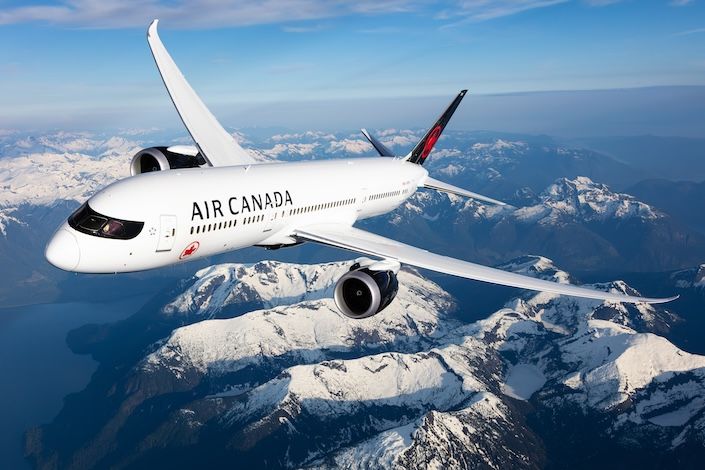
The Board of Directors of Air Canada has announced that President and Chief Executive Officer Michael Rousseau will retire by the end of the third quarter of 2026, concluding nearly two decades of leadership that solidified Air Canada's position as a dominant force in domestic and global aviation.
Rousseau will continue leading the company and serving on the Board of Directors until his departure, ensuring continuity during the transition period.
Leadership Tenure and Achievements
Michael Rousseau's career with Air Canada spans nearly 20 years, during which he progressed through increasingly senior executive positions before assuming the CEO role:
Career Progression:
- Chief Financial Officer (CFO)
- Deputy Chief Executive Officer
- President and Chief Executive Officer
- Board of Directors member
Major Accomplishments:
Crisis Management:
Rousseau guided Air Canada through multiple significant challenges, including:
2007-2008 global financial crisis
COVID-19 pandemic and the aviation industry collapse
Various operational and market challenges
Strategic Initiatives:
- Acquisition and integration of Aeroplan loyalty program
- Restoration of pension plan solvency
- Advancement of customer-centricity initiatives
- Enhancement of employee well-being programs
- Financial strengthening and stability
Industry Leadership:
- Chair of Star Alliance Chief Executive Board
- Board of Directors member, International Air Transport Association (IATA)
- Representative of Canadian aviation on global stage
Board Statement on Rousseau's Leadership
Vagn Sørensen, Chair of Air Canada's Board of Directors, offered extensive praise for Rousseau's contributions:
“On behalf of the entire Board, I want to thank Mike for his many contributions to Air Canada as he progressed from Chief Financial Officer to Deputy CEO and then to CEO and Board member. We are grateful for the determined leadership he has provided not only in steering our company through the 2007-2008 financial crisis, COVID and other challenges, but also in capturing opportunities such as the acquisition of Aeroplan, in restoring the solvency of our pension plans and in advancing customer centricity and employee well-being priorities.”
Sørensen noted that the upcoming Annual General Meeting (AGM) would provide additional opportunity to recognize Rousseau's achievements, emphasizing his "legacy of financial strength" for the airline.
Michael Rousseau's Statement
Reflecting on his tenure and upcoming retirement, Rousseau expressed gratitude for his time leading Canada's flagship carrier:
“It has been my great honour to work with the dedicated and talented people of Air Canada and to represent our outstanding organization, including as chair of the Star Alliance chief executive board and on the board of directors of the International Air Transport Association. I look forward to supporting our company during this important transition period.”
Comprehensive Succession Planning Process
The Air Canada Board of Directors has maintained a longstanding focus on CEO succession planning, with active preparation underway for more than two years.
Internal Development Program:
For over two years, Air Canada has operated a comprehensive internal development program targeting high-potential executives who could potentially succeed Rousseau. This initiative demonstrates the Board's commitment to developing leadership talent from within the organization.
Global Executive Search:
In January 2026, the Board launched an external global search to identify additional candidates with the requisite skills and experience to lead Canada's national airline.
Candidate Qualifications:
The Board will evaluate candidates based on multiple performance criteria, including:
Essential Requirements:
- Proven airline or aviation industry leadership experience
- Strategic vision and execution capabilities
- Financial acumen and business development skills
- Crisis management experience
- Global aviation market knowledge
- Ability to communicate in French (explicitly stated requirement)
Leadership Competencies:
- Change management expertise
- Stakeholder relationship management
- Employee engagement and culture development
- Customer experience innovation
- Operational excellence focus
- Technology and digital transformation understanding
French Language Requirement Significance
The Board's explicit inclusion of French language capability as a candidate assessment criterion reflects:
Headquarters Location: Air Canada is proudly headquartered in Montréal, Québec, a predominantly French-speaking province where French is the official language.
Regulatory Environment: Quebec's language laws and cultural expectations create practical requirements for executive leadership at major Quebec-headquartered corporations.
Stakeholder Relations: Effective communication with Quebec-based employees, government officials, community stakeholders, and customers requires French language proficiency.
National Symbol: As Canada's flag carrier and national airline, Air Canada's leadership represents the country domestically and internationally, making bilingual capability (English and French) particularly valuable.
Transition Timeline and Continuity
Retirement Target: Michael Rousseau will retire by the end of Q3 2026, which concludes September 30, 2026.
Continued Leadership: Rousseau will maintain his full responsibilities as President, CEO, and Board member throughout the transition period, ensuring:
- Operational continuity
- Strategic initiative progression
- Leadership stability
- Orderly succession process
Post-Retirement Availability: Rousseau has agreed to remain available as needed following his retirement to support:
- Seamless transition to new leadership
- Knowledge transfer to successor
- Smooth handover of key relationships
- Advisory support during initial transition period
External Advisory Support
Air Canada's Board has engaged two leading global organizational consulting firms to support the succession process:
Egon Zehnder: Global executive search and leadership advisory firm with extensive experience in CEO succession planning and executive assessment.
Korn Ferry: International organizational consulting firm specializing in executive search, leadership development, and succession planning.
The engagement of two premier firms demonstrates the Board's commitment to conducting a thorough, professional succession process considering both internal and external candidates.
2026 Annual General Meeting
Air Canada separately confirmed details of its 2026 Annual Meeting of Shareholders, which will provide an opportunity to:
- Formally recognize Michael Rousseau's contributions and achievements
- Update shareholders on succession planning progress
- Address shareholder questions regarding transition
- Discuss company performance and strategic direction
Impact on Air Canada Operations
Business Continuity: The announcement includes multiple assurances regarding operational stability:
- Nine-month advance notice providing ample transition time
- CEO remaining in role throughout process
- Continued Board oversight and governance
- No immediate operational changes anticipated
Strategic Initiatives: Current strategic priorities will continue under Rousseau's leadership until succession, including:
- Fleet modernization programs
- Network expansion plans
- Customer experience enhancements
- Sustainability initiatives
- Digital transformation projects
- Labor relations management
Details of the AGM are available through Air Canada's investor relations channels.
Stakeholder Considerations
The CEO transition has implications for multiple Air Canada stakeholders:
Employees: Air Canada's workforce of tens of thousands will experience leadership change following nearly two decades under Rousseau's direction. The emphasis on employee well-being in his legacy suggests continuity in this priority area.
Customers: Passengers and loyalty program members may see continued evolution of customer-centric initiatives under new leadership, building on Rousseau's foundation.
Shareholders: Investors will monitor succession developments closely, with the Board's emphasis on "financial strength" legacy suggesting continued focus on shareholder value.
Partners: Star Alliance partners, codeshare airlines, and business partners will maintain relationships through transition period with Rousseau's continued leadership until Q3 2026.
Government: Federal and provincial government relationships, particularly important given Air Canada's status as national carrier, will require careful management during leadership transition.
Industry Context
Rousseau's retirement comes during a period of significant change in global aviation:
Post-Pandemic Recovery: Airlines worldwide continue recovering from COVID-19 impacts, with Air Canada having navigated this crisis under Rousseau's leadership.
Technological Transformation: Aviation faces digital disruption, sustainability pressures, and evolving customer expectations requiring forward-looking leadership.
Competitive Landscape: Canadian and North American aviation markets remain intensely competitive, with low-cost carriers, ultra-low-cost competitors, and international carriers vying for market share.
Labour Relations: Airlines globally face labour cost pressures and workforce challenges requiring collaborative leadership approaches.
Legacy Assessment
Michael Rousseau's nearly two-decade tenure encompasses significant achievements:
Financial Stability: Multiple references to "financial strength" and pension solvency restoration indicate Rousseau successfully strengthened Air Canada's financial position—particularly notable given the airline's previous bankruptcy and restructuring history.
Crisis Navigation: Successfully guiding Air Canada through two major crises (2007-2008 financial crisis and COVID-19 pandemic) demonstrates exceptional crisis management and strategic resilience.
Strategic Acquisitions: The Aeroplan acquisition reunited Air Canada with its former loyalty program, creating strategic value and customer benefits.
Industry Leadership: Roles chairing Star Alliance CEO board and serving on IATA board elevated Air Canada's global profile and influence.
Stakeholder Focus: Emphasis on both customer centricity and employee well-being suggests balanced stakeholder management approach.
Looking Ahead
The coming months will involve:
Q1-Q3 2026:
- Continued CEO search process
- Candidate evaluation and interviews
- Internal candidate assessment
- Due diligence on finalists
- Board deliberation and selection
- Announcement of successor (timing TBD)
- Transition planning and implementation
Post-Succession:
- New CEO onboarding and transition
- Strategic review and potential adjustments
- Stakeholder relationship building
- Continued execution of Air Canada's strategic plan
Michael Rousseau's planned Q3 2026 retirement marks the end of an era for Air Canada while the Board's comprehensive succession process—including internal development, global search, and premier advisory support—demonstrates commitment to identifying leadership capable of building on Rousseau's legacy while navigating aviation's evolving landscape.