Where travel agents earn, learn and save!


News / Airport privatization could mean higher fares, job losses: CLC
Released ahead of next week’s Canada Investment Summit, Public Runways, Private Profits: Why Airport Privatization Would Be Risky and Costly for Canadians examines airport privatization in Australia, New Zealand, Portugal, the United Kingdom and the United States

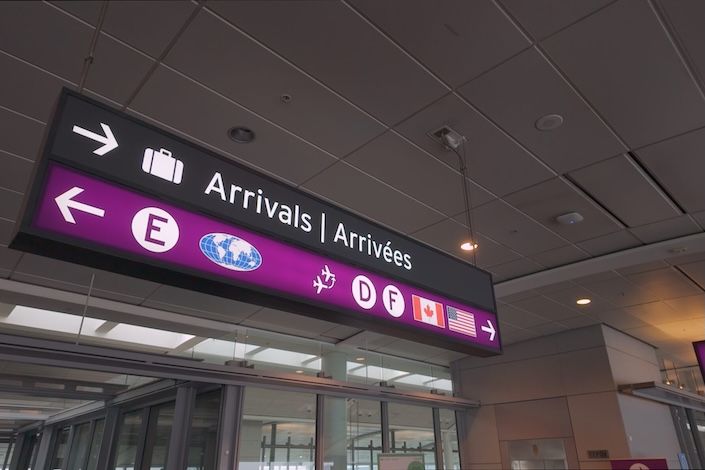
Privatizing Canada’s airports could lead to higher costs for travellers, increased pressure on airport workers and the loss of long-term public value, according to a new report from the Canadian Labour Congress (CLC).
Released ahead of next week’s Canada Investment Summit, Public Runways, Private Profits: Why Airport Privatization Would Be Risky and Costly for Canadians examines airport privatization in Australia, New Zealand, Portugal, the United Kingdom and the United States.
The report argues that privatized airport models have repeatedly resulted in higher charges, workforce reductions and greater pressure to generate returns for private investors.
“Canadians already pay too much to fly. Privatizing our airports risks making that problem worse,” said Lily Chang, Secretary-Treasurer of the Canadian Labour Congress. “Private investors need to make a profit, and that money has to come from somewhere. The evidence shows it can come from higher costs for passengers, lower labour costs and staffing, or revenue that would otherwise stay in public hands.”
According to the CLC, private investors would require airports to generate between 15% and 20% more revenue than under the current model in order to deliver competitive returns.
The report points to Australia as one example. Following airport privatization, it says passengers and airlines faced higher charges while airport profits increased. At Perth Airport, revenue collected from airlines per passenger rose by more than 60% over a decade, while Sydney Airport cut 40% of its workforce after post-sale job protections expired.
“Airport workers in Canada already deal with contract flipping, outsourcing and pressure on wages and staffing,” Chang said. “We should be making airport jobs better and more secure, not creating another incentive to cut labour costs to generate returns for investors.”
Canada’s airport authorities currently operate on a not-for-profit basis, with surpluses reinvested into airport operations and infrastructure. Airport rents also return about $525 million annually to the federal government, according to the CLC.
While airport privatization is not on the agenda for next week’s Investment Summit, the report notes that alternative ownership models remain under consideration by the federal government.
“We want investment that builds infrastructure, expands our productive capacity, and creates good union jobs. The Investment Summit should be about building and strengthening Canada, not putting public infrastructure on the auction block,” Chang said.
The CLC is calling on the federal government to reject airport privatization and instead focus on measures aimed at improving affordability, infrastructure, services and job quality across Canada’s aviation sector.
Source: Travelweek