Where travel agents earn, learn and save!


News / Airports, labour weigh in on Ottawa’s private investment plan
The proposal would mark a significant shift from the current not-for-profit model under which local airport authorities operate federally owned airport lands through long-term leases

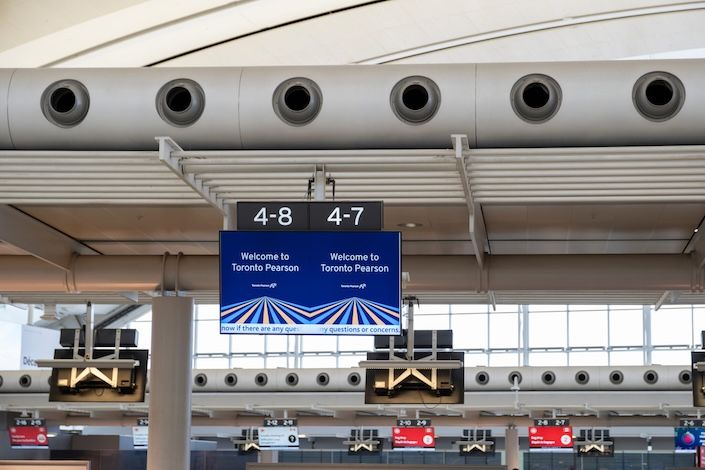
Ottawa’s plan to bring private investment into Canada’s four largest airports is quickly drawing both cautious support and sharp warnings from industry and labour.
As reported on Sept. 15, Prime Minister Mark Carney announced that the federal government wants private investors to operate Toronto Pearson, Montréal-Trudeau, Calgary and Vancouver international airports while Ottawa retains ownership of the underlying land and assets. Carney said the goal is to unlock value from the major airports and redirect federal spending toward smaller regional airports and other infrastructure projects.
The proposal would mark a significant shift from the current not-for-profit model under which local airport authorities operate federally owned airport lands through long-term leases.
Keeping Value In The System
The Canadian Airports Council (CAC) says any new investment model must preserve affordability, connectivity and reinvestment across the country’s aviation system.
“Any new investment coming from the proceeds of this airport user-pay system must be used to strengthen infrastructure, connectivity and affordability for regions across the country,” said Monette Pasher, President of the Canadian Airports Council. “There is a lot of value in the system because Canada’s made-in-Canada airport model has served our country very well for more than 30 years, providing a stable, sovereign and financially sustainable approach to managing critical national infrastructure.”
According to the CAC, airport authorities have invested more than $30 billion in infrastructure and improvements since airport devolution began in the 1990s. Airports have also returned more than $8.4 billion to the federal government through Crown rent, including $556 million in 2025.
The council says small and medium-sized airports have identified approximately $19 billion in infrastructure needs over the next decade.
“Canada is entering a period of tremendous growth, and air travel is projected to double in the next decade, our airports will be essential to moving the people and goods that growth requires,” Pasher said. “If the government is able to unlock new value from federal airport assets, a meaningful portion of that value should remain within Canada’s airport system and help build the infrastructure and technology Canadians will depend on for decades to come.”
CLC Warns Of Higher Costs
The Canadian Labour Congress (CLC), meanwhile, is warning that private investment could come at a cost to passengers and workers.
Lily Chang, Secretary-Treasurer, issued the following statement:
“Private investors don’t put billions into airports unless they expect to make billions back. The government is pointing to Australia as its model, and we’ve already seen the results there: higher costs for passengers and airlines, pressure on workers, and more airport revenue flowing to private investors.
“Canada’s airports are already productive public assets, generating approximately $525 million a year in revenue for the federal government. Giving private investors long-term concessions means trading away decades of that value for cash today.
“In the middle of a trade war, handing profitable public infrastructure over to private investors is exactly the wrong move. If the goal is to make Canada stronger and more secure, we should be investing in the assets we depend on, keeping their value here at home.
“Canada needs to invest in itself and protect good jobs. We won’t build a stronger Canada by selling pieces of it to the highest bidder.”
YVR Talks Already Underway
At Vancouver International Airport, discussions around private investment have already been taking place.
According to Global News, Vancouver Airport Authority CEO Tamara Vrooman said YVR has been in talks with Ottawa for months.
“We look forward to exploring how private investment can continue to drive passenger experience, support our people and community, and ensure YVR delivers long-term economic value for the region and Canada,” she said in a statement.
Global News also reported comments from B.C. Premier David Eby, who said any agreement should protect service levels at YVR while supporting other airports in the province.
“If the intent is to free up money that is to then be reinvested in other airports in British Columbia to help them raise their game as well, that’s something that we could absolutely support,” he said.
Former Air Canada COO Duncan Dee told Global News that privatized airports can operate more efficiently.
“And with those efficiencies come lower costs,” he said.
“So while I don’t think Canadians can expect lower airport fees, what they can hopefully expect are airport fees that will not rise as much.”
Pearson Responds
Toronto Pearson is also signalling that it plans to work with Ottawa as the proposal develops.
“Toronto Pearson recognizes the federal government’s plan for future investment in airports. We look forward to working with the government on next steps that ensure stewardship of Pearson, one of North America’s busiest and high performing airport hubs, while achieving the government’s national investment strategy,” the Greater Toronto Airports Authority said in a statement reported by CP24.
“Toronto Pearson will continue to collaborate with the federal government to ensure the airport maintains delivery of long-term economic value, meets the needs of our passengers and preserves the critical role our sector plays in Canada’s sovereignty and prosperity.”
CP24 also reported Carney’s response to criticism that the proposal amounts to privatization.
“We’re selling a concession, not privatizing the airport,” the prime minister said.
With details around the structure of the concessions still to come, the debate is now shifting to how any new model would affect passengers, airport workers, infrastructure investment and the long-term value of Canada’s airport system.