Where travel agents earn, learn and save!


News / Blue Cross study finds 95% of Canadians skipping U.S. to explore other destinations
“Canadians are not travelling less – they’re travelling smarter”

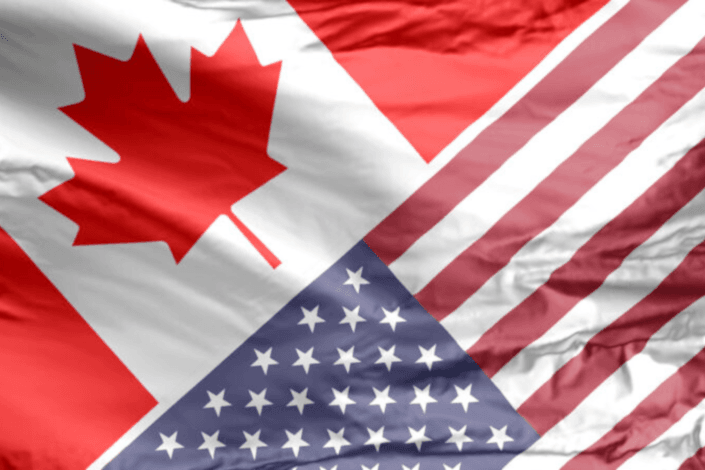
A new Blue Cross Travel Study shows that Canadian travel habits are evolving quickly for 2026, with rising costs and geopolitical tensions shaping destination decisions yet doing little to dampen Canadians’ desire to explore.
The study highlights a notable pivot away from travel to the United States, driven by political unease and an unfavourable exchange rate, but shows that Canadians remain eager to travel elsewhere and are increasingly using artificial intelligence to do so.
“Canadians are not travelling less – they’re travelling smarter” says Sylvain Charbonneau, President & CEO, Quebec & Ontario Blue Cross. “We are seeing a shift toward using the latest AI tools to plan travel with greater awareness and flexibility, showing that Canadians’ desire to explore remains strong even in an uncertain world.”
Geopolitical tensions reshape destination choices
The U.S. stands out as the destination most affected by shifting sentiment. More than three-quarters of Canadians, at 76%, are less likely to visit in 2026 due to political tensions, trade concerns and currency impacts. This marks a sharp rise from 2025, when 47% had expressed hesitation. Boomers show the strongest pullback, with 54% cancelling all U.S. travel next year compared to just 12% the year prior. In contrast, Gen Z travellers remain comparatively optimistic, with 62% expecting attitudes toward U.S. travel to improve over the next five years.
Despite this decline, Canadians are not staying home. Among those avoiding the U.S., 95% plan to travel elsewhere. Destinations within Canada lead the way at 68%, followed by Mexico and the Caribbean at 38% and overseas destinations at 35%.
AI drives smarter travel planning
According to the study, nearly half of Canadian travellers now rely on AI tools for trip planning. These tools are being used to compare prices, research destinations and assemble itineraries at a time when affordability and flexibility have become central to decision-making.
AI adoption is most prevalent among younger travellers, with 70% of Gen Z and 63% of Millennials reporting regular use for trip planning. However, uptake is also broadening across older cohorts, including 42% of Gen X and 23% of Boomers.
The study notes that as global conditions push prices higher, especially in the U.S., travellers are looking to AI to stay within budget and personalize their experiences. Most respondents, at 87%, say they are cutting back on discretionary travel expenses and using digital tools to find alternatives that offer better value.
Insurance and confidence remain central
Travel insurance remains a key part of the planning process for most Canadians, with 86% holding some form of coverage, whether purchased directly (56%) or through workplace plans and credit cards (30%).
Younger travellers are increasingly viewing insurance as essential, with 42% of Gen Z and 47% of Millennials identifying it as a key element of trip planning, up from 39% and 43% respectively. Awareness of potential medical costs abroad is also strong, with 83% of Canadians acknowledging that an overnight stay in an emergency room outside the country could exceed $3,600.
“The key takeaway here is that travellers are thinking more intentionally about their trips,” says Charbonneau. “Canadians are weighing the financial and emotional factors that make travel rewarding, and AI tools are transforming how they plan. Access to increasingly sophisticated technology is helping travellers make more confident decisions – finding the right destinations, balancing budgets and maximizing every experience.”
Source: Travelweek