Where travel agents earn, learn and save!


News / Key tips for Canadian travellers as ICE presence increases at U.S. airports
Canadian travellers heading to the U.S. should prepare for increased ICE presence at airports, with experts advising transparency, proper documentation, and awareness of border officials’ broad powers

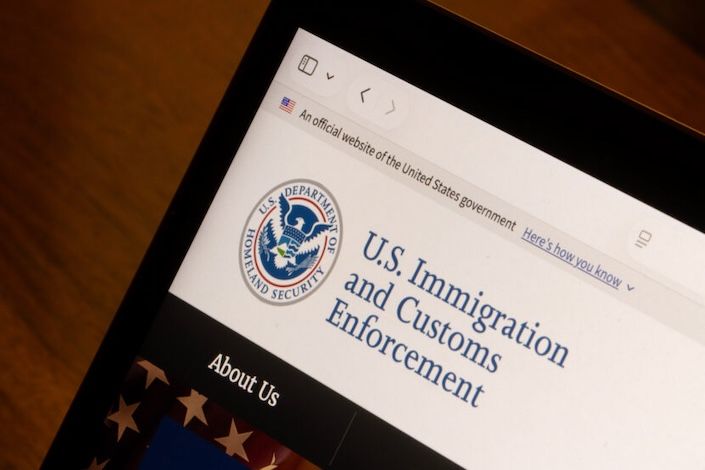
Canadian travellers heading to the United States or transiting through American airports are being advised to prepare for a more visible law enforcement presence, as Immigration and Customs Enforcement (ICE) officers are now working alongside Transportation Security Administration (TSA) staff at select airports.
The move is linked to a U.S. government shutdown strategy that has seen ICE officers assisting with airport duties such as monitoring exit lanes and checking identification at security checkpoints. While federal officers are typically present at international airports, their increased visibility at TSA screening areas is unusual and may come as a surprise to travellers.
ICE Officers Spotted at Major U.S. Airports
ICE agents have recently been observed at several major U.S. airport hubs, including facilities in Atlanta, New Orleans and Houston. The increased presence does not change entry rules for Canadians, but experts emphasize that border officials continue to have broad authority when assessing travellers entering the country.
According to immigration lawyer Mario Bellissimo, the key issue is not new regulations but heightened enforcement visibility, which may lead to more scrutiny during screening and secondary inspections.
Understanding Border Powers and Screening
Experts warn that the first border officer typically gathers initial information to determine whether additional screening is required. If a traveller is referred to secondary inspection, questioning may become more extensive and could lead to delays, refusal of entry or enforcement action.
Travellers should also be aware that U.S. officials may request access to personal electronic devices, which can contain extensive personal and travel-related information. Being fully prepared and consistent in responses is considered essential to avoid complications.
Legal Rights and Consular Support
In cases where travellers are detained, U.S. laws apply. Canadian authorities can provide consular assistance and help families, but they cannot override decisions made by U.S. officials.
Legal guidance indicates that travellers have the right to hire a lawyer and contact family members, although legal counsel is not provided by the government. Canadian citizens and permanent residents can reach out to the Canadian embassy in Washington, D.C., or local consulates for support if needed.
Best Practices for Canadian Travellers
Experts recommend several steps to reduce potential complications when travelling to or through the United States:
- be truthful and consistent with travel intentions
- carry supporting documentation such as return tickets and travel plans
- ensure all documents match the purpose and duration of the visit
- remain transparent during screening and questioning
- contact Canadian consular services if assistance is required
Preparation and clarity remain the most important factors for a smooth travel experience, with experts noting that travellers who present consistent documentation and clear intentions are unlikely to face issues at the border.